By Amy Schabacker Dufrane
I’ve just returned from an extended visit to Delhi, India, where our strategic partner Blue Ocean and HRCI hosted the India debut of the International Human Resource Conference (IHRC). The conference brought together 500 senior HR leaders, global certification authorities, corporate decision-makers, and policymakers, resulting in one of the largest international HR gatherings hosted in India to date. I had the pleasure of delivering the opening keynote address on the findings from the State of HR 2026 report and participating in a fireside chat with Dr. Sathya Menon, CEO of Blue Ocean Corporation, on increasing HR’s global impact. Even more important, I had the opportunity to learn so much about India’s role in the global talent economy—and to reflect on the durability of leadership best practices.
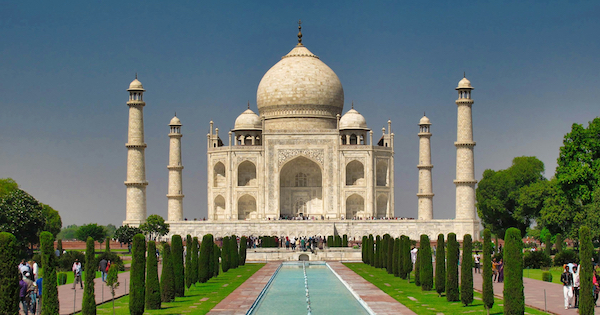
Perhaps there is no more readily recognizable symbol of India than the Taj Mahal. Construction of the ivory-white marble building—a UNESCO World Heritage site and one of the New Seven Wonders of the world—took more than 20 years and thousands of artisans to complete. In its current state, it’s considered one of the finest examples of Mughal architecture, blending Indian, Persian, and Islamic styles.
The Taj Mahal gives us a lot to lean into: the vision of its finished state, the patience involved in a 20-year project plan, a multi-cultural design approach, and a massive workforce. It really is emblematic of the issues leaders face today.
Leadership Drives Results
When we consider the foundational factors behind the Taj Mahal, we can see why leadership is so important. During my fireside conversation with Dr. Sathya Menon, we reflected on how enduring organizations begin with a clear vision paired with disciplined execution. Our colleagues at Blue Ocean started as a small organization with a vision and a four-year timeline. As they noted, you can put anything on paper to be your vision; however, a clearly defined vision is only successful when there is a solid plan of action as well. In the case of Blue Ocean, they set achievable milestones coupled with hiring the right people who shared the same confidence in the vision.
“The technology can come and go,” said Dr. Menon, chairman and managing director of Blue Ocean Corporation, “…but it can never replace our people…all of us have capabilities beyond our imagination.”
In this current environment where the AI tail seems to be wagging the workforce dog, is it possible to adhere to a fundamental approach to building something enduring and magnificent? In my opinion, and in the context of what we’re dealing with today, leaders must be extremely adaptable. They have to be almost entrepreneurial and willing to innovate. Letting people operate in their zone of genius facilitates the creation of a better organization. This makes it an exciting time to be a leader, and there’s so much more to learn and make happen when teams are trained to be collaborative and agile.
The Importance of Skills
Something all of us need to pay close attention to is which skills are needed now, in five years, in 10 years, and beyond. This is key for every organization to consider, especially in occupations that involve people management. Many organizations are already suffering from a disintegrating leadership pipeline. To successfully transition from where we are today, HR needs to help guide the process—and AI isn’t the right response to every question. Yes, it can automate and streamline complexities and even deliver coaching at scale. The deeper and more urgent discussion is about the competencies an individual needs to contribute to growing the business.
Using the Taj Mahal as our example of a desired outcome, we need to pay close attention to workforce planning. How do we train the workforce of the future? From where do we source the talent that will ensure organizational success? What societal skills are needed to create cultures of cooperation and belonging? How will you reward performance?
Are You Building Your Legacy?
Before its lengthy construction journey began, no one had envisioned the Taj Mahal. Perhaps no one knew it would take over 20 years to complete. And, I’ll bet, no one who worked on it during the 1600s thought it would endure into the 21st century and beyond. The leaders guiding the process lacked the technology we enjoy today. They probably also followed the old command-and-control leadership model that is now obsolete. With today’s advancements in leadership, workforce planning, and technology, the project could have been completed in two years rather than 20.
There is one thing for certain: HR is at the epicenter of any organization built for long-term success. I urge you to step back periodically and admire your accomplishments. HR’s leadership can be long-lasting, and our contributions long-lived.