By Amy Schabacker Dufrane
It wasn’t that long ago that we all hunkered down, working from home or in far-flung remote locations. The shared rationale was straightforward: a global pandemic was threatening the physical – and mental – wellbeing of the earth’s citizens.
Something of this magnitude was bound to redefine how and where we conduct business. And its abatement has eased the restrictions it forced. Returning to the office, whether under a hybrid model or five days a week, is rapidly becoming the norm, as it was pre-pandemic.
Companies including Amazon.com, AT&T, Starbucks, and JPMorgan Chase have called workers back to the office on a full-time basis. According to a study conducted by KPMG in 2024, nearly 80 percent of 400 CEOs said they expected employees to be in the office full-time within the next three years. The ever-shifting labor market means the balance of power has returned to the employer, many of whom believe that innovation and productivity are compromised when people aren’t able to interact in person.
Reversing remote and hybrid work models can be difficult; however, an environment in which collaboration, connections, and communication can flourish makes the transition easier. It’s one of the reasons that HRCI is excited to partner with IFMA, the organization that enables, empowers, and equips facilities managers with learning and network opportunities. Similar to HRCI, IFMA plays a vital role in shaping global standards.
HRCI’s board chair, CHRO Kathy Claytor, has considerable experience in the linkage between HR and facilities management. She says, “Linking office buildings and facilities to human resources creates a powerful synergy that extends beyond physical infrastructure. It impacts the very fabric of an organization’s success. It means prioritizing the human element in workplace design and management, recognizing that a positive and supportive environment is crucial for employee well-being, productivity, and ultimately, business growth and longevity.”
Kathy reaffirms that the sense of belonging that results from a well-designed workspace helps employees feel a stronger connection to the organization and its mission. The attributes of the physical workplace should not be downplayed. This was evidenced when major employers attempted to mandate return to office policies before realizing they lacked enough desks or parking to welcome back their workers.
Since any workforce change should be carefully planned and proactively communicated rather than coldly mandated, here are some important points to share:
- Anticipate questions: Let workers know that you understand this may not be easy. By clearly explaining what is changing and why and addressing the specific business reasons behind the new way of working, you’ll encourage two-way communication.
- Prepare managers: Ensure that managers are equipped to support their teams. Give them ways to monitor morale and communicate any specific concerns.
- Follow up: Do not assume this is a “one and done” scenario. Some employees will require support to accommodate the return to office, and reasonable assistance will help retain valuable talent.
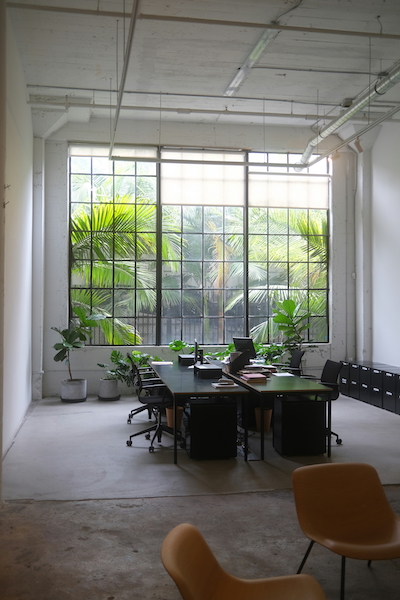
With the opportunity to start anew, consider making the office a community, versus a workplace. Design collaboration and relaxation areas. Allow employees to personalize their workspaces to deepen belonging. Look into facility changes that can make a difference: lighting, plants, quiet zones, and open spaces. Host social and learning events that employees look forward to and survey the workforce for further facilities improvements.
Facilities management has moved well beyond the always important health and safety. The function of the workplace in a strong employer brand cannot be underestimated, as the office can be a powerful tool for attracting and retaining top talent. A quick meeting in a hallway can be the foundation for the company’s next innovation. And spaces that meet employee needs for focused work and collaborative interaction create strong connections. Aligning HR with facilities management can help create cultures where employees are excited to make the office part of their work experience.